It can notice a pattern, but it cannot see through your fridge door
I asked ChatGPT to look at three days of meals once.
It spotted the problem before I did.
I was not secretly craving biscuits because I lacked discipline. I was eating lunch at noon and expecting a handful of almonds to carry me to dinner at eight.
The robot had not discovered a new branch of nutrition.
It had simply counted the hours.
That is the useful version of ChatGPT and diet tracking: you give it honest information, and it helps you look at that information without the usual fog of hunger, guilt, and selective memory.
ChatGPT cannot monitor what you do not tell it
ChatGPT does not automatically know what you ate, how much water you drank, or whether the innocent-looking handful of cashews became half the bag.
You have to enter the information yourself.
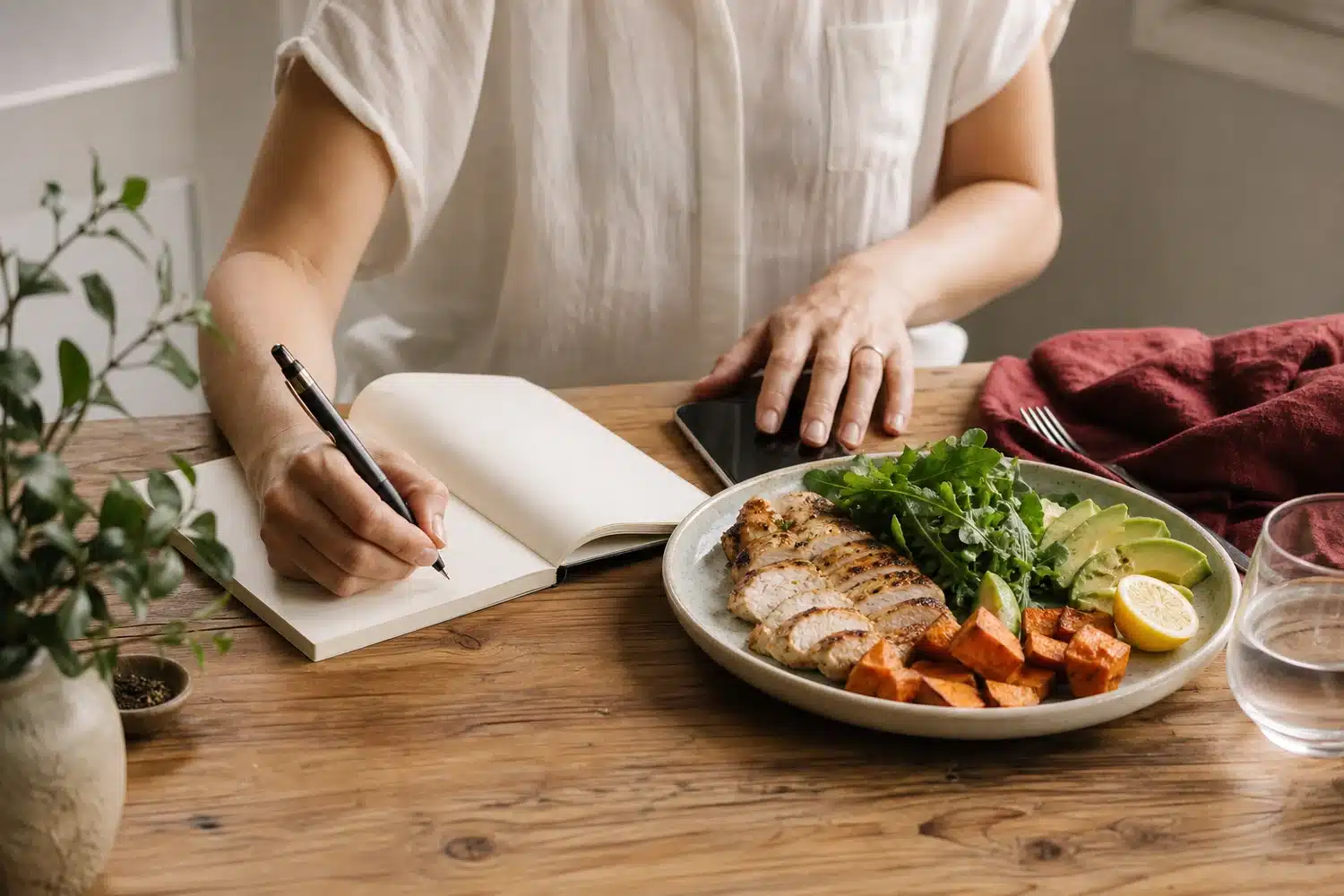
You can type a simple meal log, upload a photo for a rough description, or paste notes from another app. Then you can ask questions such as, “When do I seem to get hungry?” or “Which lunches keep me full longest?”
Think of it as a very patient notebook that can talk back.
It is not a hidden nutritionist living in your phone.
Give it a small job
The temptation is to ask for a perfect plan for the rest of your natural life.
That usually produces a plan with seventeen ingredients, a Sunday prep session, and the emotional atmosphere of airport security.
Smaller jobs work better.
- Ask it to turn three recent dinners into a shopping list.
- Ask it to find the long gaps between meals in a seven-day log.
- Ask for three paleo lunches using food already in your kitchen.
The more specific the question, the more useful the answer.
“Help me eat better” is a cloud.
“Give me three breakfasts without eggs that take under ten minutes” has shoes on.
Keep private things private
A food log can become personal very quickly.
You do not need to include your full name, address, medical records, or anything else that is not required for the job.
Review your ChatGPT Data Controls, and use Temporary Chat when you do not want a conversation kept in your history or used to create memories.
If you have an eating disorder, a medical condition, food allergies, take medication, are pregnant, or need clinical nutrition advice, talk to a qualified professional.
ChatGPT can help you organise questions for that appointment.
It should not pretend to be the appointment.
Use it for curiosity, not judgment
The best question is not, “Was I good today?”
Food is not a school report.
Try asking what you can notice instead.
Were you hungrier on days without breakfast? Did a larger lunch make the afternoon easier? Which meals were simple enough that you would actually make them again?
Those answers can help.
A score usually cannot.
Let the tool hold the clipboard
So, can ChatGPT monitor your diet?
Not by itself.
But if you keep a simple log, it can help you sort it, summarise it, and notice patterns worth testing.
You remain the person eating the food, living in the body, and deciding what feels sustainable.
Let ChatGPT hold the clipboard.
Do not give it the whistle.