You walk into a grocery store hungry and grab a bag of chips. That box of crackers looks harmless. But two hours later you feel tired and still somehow unsatisfied. The paleo diet asks you to eat like hunger doesn’t need processed foods.
What the Paleo Diet Actually Means for Your Plate
The paleo diet centers on foods your ancestors hunted and gathered. Think meat, fish, vegetables, fruits, nuts, and seeds. You avoid grains, legumes, dairy, processed foods, added sugars, and most vegetable oils. A strict paleo diet prohibits dairy because it’s a product of modern agriculture. Some people make room for butter from grass-fed cows.
The diet is high in protein, high in fiber, and low in sodium and sugar. The idea is to eat whole foods that humans of the Paleolithic era could have hunted and gathered. Processed items don’t make the cut.
If it looks like it was made in a factory, avoid it. This rule alone removes most temptation from the equation.
Foods You Eat on the Paleo Diet
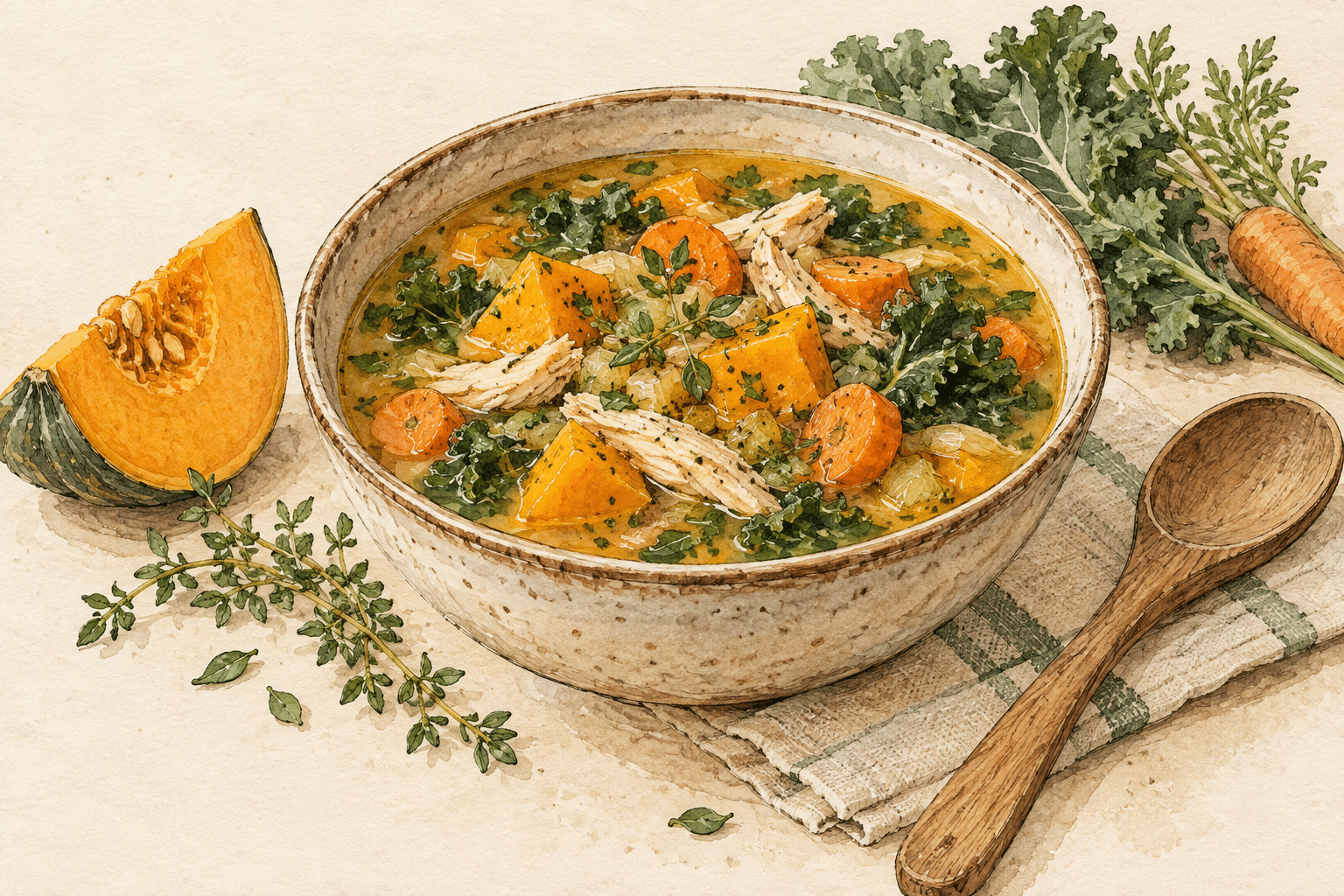
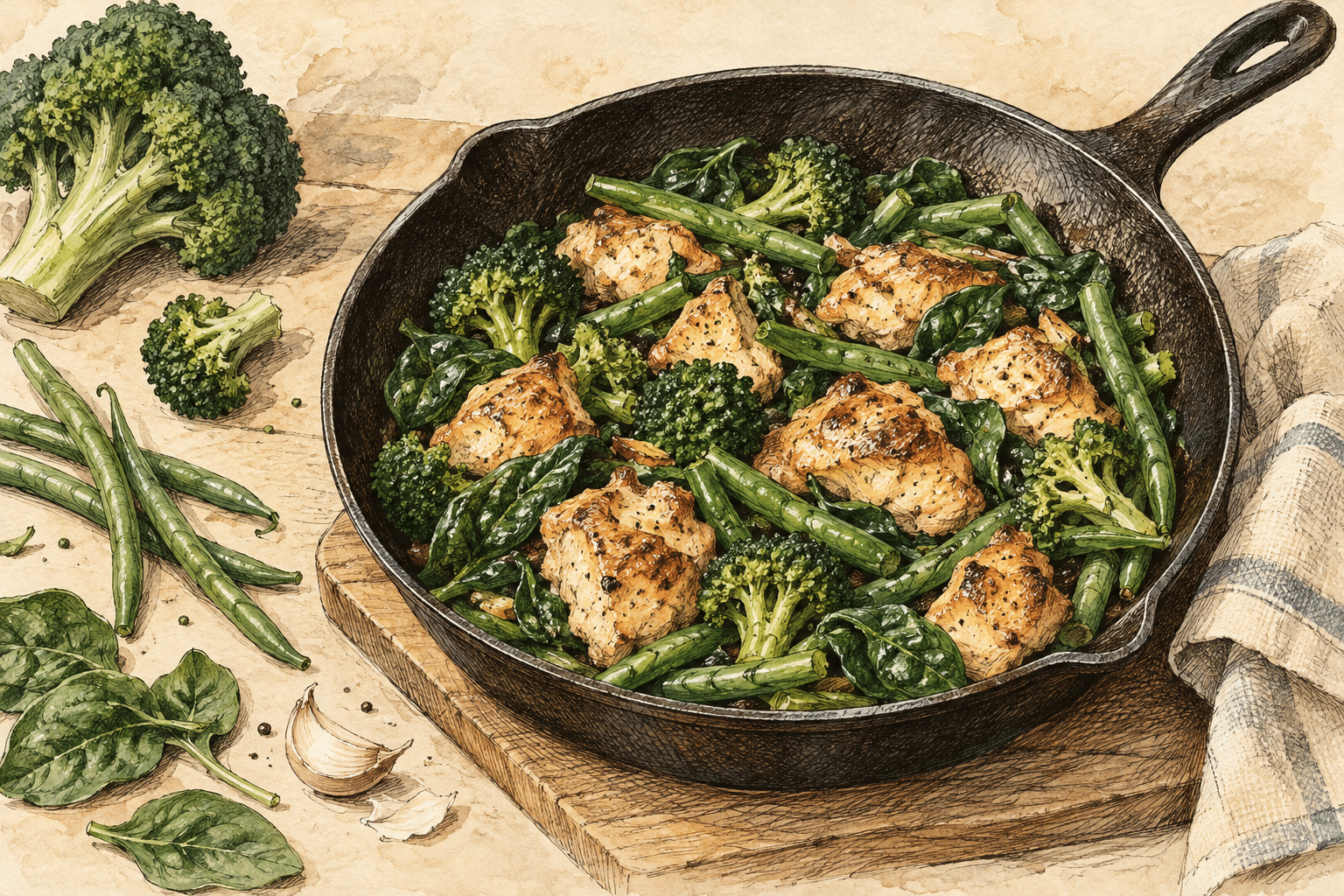
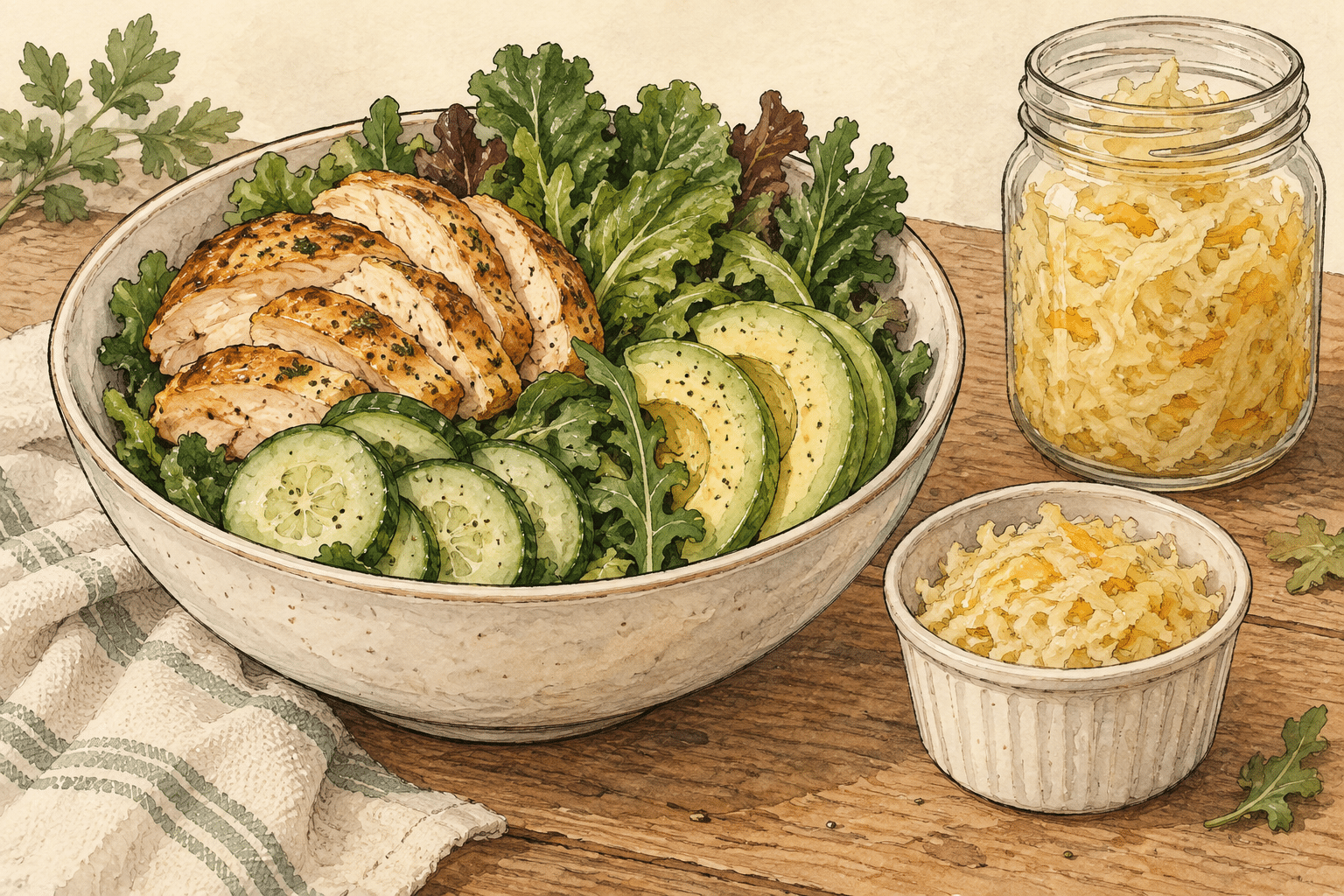
Almost all meats are paleo by definition. Focus on whole, unprocessed foods like meats, fish, vegetables, fruits, nuts, and healthy fats. Meat includes beef, lamb, pork, chicken, turkey, salmon, trout, and mackerel.
Most vegetables are considered paleo as they could have been picked from the ground by hunter-gatherers. Leafy greens work. Brussels sprouts work. Carrots work. Sticking with low-glycemic vegetables promotes blood sugar stability.
Fruit could have been picked from trees, vines, or bushes. All varieties fit paleo guidelines. Fruits contain large amounts of fructose, so if you’re looking to lose weight, cut back on fruit and focus more on vegetables.
Prioritize grass-fed meats, pasture-raised eggs, and wild-caught seafood when possible. They have better fatty acid profiles than conventional options.
Paleo Diet Health Benefits You Can Measure
A 2009 study found that participants on a paleo diet lost more weight and had better improvements in waist circumference. A systematic review confirmed significant reductions in body weight, BMI, and waist circumference. These results happened without calorie counting.
Paleo participants experienced a reduction in C-reactive protein, a marker of inflammation. Lower inflammation matters for long-term disease prevention. Those who followed a paleo or Mediterranean diet had reduced all-cause mortality, lower oxidative stress, and decreased mortality from heart disease and cancer.
By eliminating processed foods and increasing fiber intake from vegetables and fruits, the paleo diet creates conditions that favor beneficial bacterial populations. Your gut gets what it needs to function properly.
A paleo diet may help you lose weight or keep a healthy weight and may have other helpful health effects. But there are no long-term clinical studies about the benefits and potential risks.
Planning Paleo Diet Meals and Shopping Lists
Take a look at the meals you’ll be cooking this week and take stock of ingredients you already have in your kitchen, then make a grocery list for the items you need to buy. Maximize baking, chopping, and marinating time when you have it, and the more you can do to get ahead, the better.
Peel, slice, and dice all vegetables and store them in food storage containers in the refrigerator, with carrots, peppers, and potatoes stored in water. This cuts down on meal prep time each evening. Prepare lunches from leftovers the night before so you can just grab it and go.
Check nutrition labels on packaged goods to make sure there are no grains, legumes, refined sugar, certain oils, or dairy. Keep shopping simple with organic and seasonal produce and leafy greens.
The bulk of your grocery list is almost always comprised of the same items: beef, chicken, pork, fish, eggs, almonds, coconut, in-season fruits and vegetables, herbs, and spices. Track how much of each item you consume. Watch for sales cycles.
Common Paleo Diet Mistakes That Slow Your Progress
One common newbie blunder is eating a paleo diet that also conforms to the standard low-fat dietary guidelines. Coconut oil, egg yolks, avocados, and liver won’t make you fat, and the evidence suggests that saturated fat from whole foods isn’t dangerous. You need fat to feel satisfied.
One of the most significant paleo diet mistakes is failing to plan meals, and without preparation, it’s easy to reach for convenient but non-paleo options. A common misconception is that all meats are acceptable, but processed meats like bacon or sausages can negatively impact your health. The paleo diet emphasizes clean, unprocessed animal protein.
While meat is often the focus, many people make the mistake of neglecting vegetables, which are needed for providing vitamins, minerals, and fiber. Even though the paleo diet allows natural sweeteners like honey or maple syrup, consuming too many paleo-approved sweets can hinder weight loss and cause blood sugar spikes.
Drastically cutting out all non-paleo foods at once can lead to burnout, so ease into it meal by meal. If you aren’t getting adequate sleep, it could put a stop to helping you lose weight. Sleep matters as much as food.
Eating Out and Staying Social on the Paleo Diet
Making any big lifestyle change can be tough, and eating paleo when no one else in your circle does is no exception, and your friends might make jokes. You don’t have to skip restaurants or birthday dinners. With enough creativity, you can make almost any food at any restaurant relatively paleo.
Order a meat- or fish-based main dish, get extra vegetables instead of bread or rice, and ask for your food to be cooked in olive oil or avocado oil. Most restaurants will accommodate these requests. Many restaurants post their menus online, allowing you to review ingredients and meal choices before arriving.
If you’re dining out with friends or family, communicate your dietary needs ahead of time and suggest a restaurant that offers paleo-friendly options. Communicate your dietary requirements clearly to the waitstaff and emphasize the importance of your restrictions. Servers want you to have a good experience.
Google things like “paleo restaurants” or “farm to table restaurants” for whatever city you’re in, and it’ll usually bring up a good selection of places. Spend more time with other people who are trying to live the same way instead of always forcing yourself to swim upstream.
Start with one paleo meal today and notice how your body responds.
Frequently Asked Questions
Can I eat potatoes on the paleo diet?
Sweet potatoes are generally accepted on the paleo diet. Regular white potatoes are debated. Some strict paleo followers discourage high-carb vegetables. Others include them in moderation as nutrient-rich whole foods. Your choice depends on your specific paleo approach and goals.
Is the paleo diet good for weight loss?
Yes, many people lose weight on the paleo diet. Studies show significant reductions in body weight and waist circumference. The diet’s focus on whole foods and protein increases satiety. You feel fuller without counting calories. Results vary based on individual adherence and activity levels.
Can I drink alcohol on the paleo diet?
Most alcohol doesn’t fit strict paleo guidelines. Drinks are often processed and made from grains. Some people allow occasional red wine or hard cider. These don’t come from grains. Moderation matters. If weight loss is your goal, limit alcohol consumption even further.
Do I need to buy grass-fed meat for paleo?
Grass-fed meat is ideal but not mandatory. It has better fatty acid profiles than conventional meat. If budget is a concern, choose lean cuts of regular meat. Focus on removing processed foods first. You can upgrade meat quality as your budget allows over time.
What if I’m hungry between meals on paleo?
Paleo-friendly snacks are simple and portable. Try fruit, nuts, hard-boiled eggs, or baby carrots. Keep these items ready in your kitchen. If hunger persists, you might need more healthy fats or protein at meals. Listen to your body and adjust portion sizes accordingly.